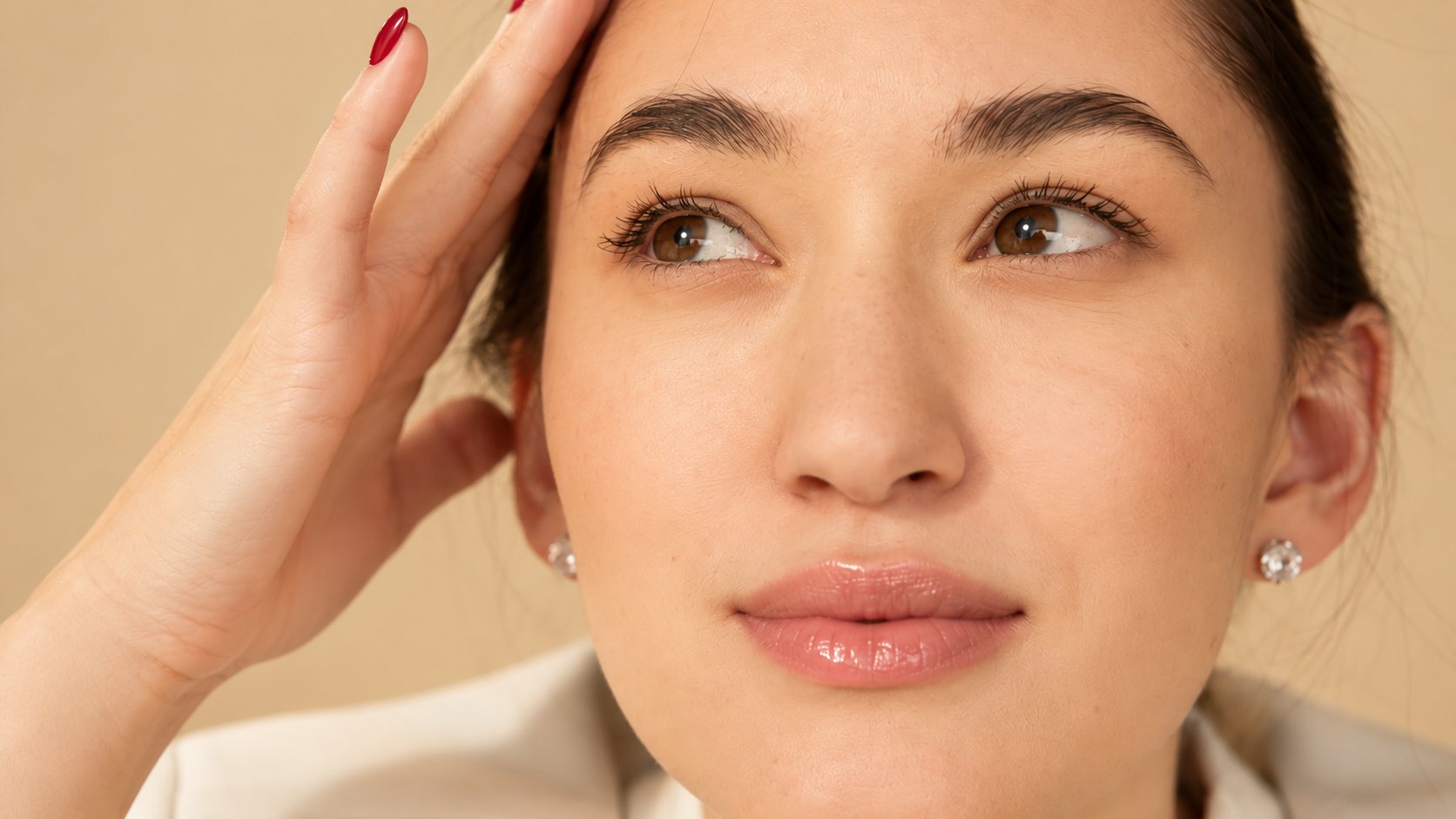

Chemical peels are professional resurfacing treatments that use carefully selected exfoliating ingredients to remove damaged surface skin and encourage a smoother, brighter and more even-looking complexion.
At Bloor West Medspa, your peel is selected and customized based on your skin, concerns and goals. Treatments can target concerns such as dullness, uneven tone and texture, congestion, acne and signs of aging while supporting overall skin health.
Every treatment begins with a skin assessment so the type and intensity of your peel can be chosen appropriately for your skin.
Ideal for
Dull or lacklustre skin
Uneven skin tone
Uneven or rough texture
Hyperpigmentation and sun damage
Acne-prone or congested skin
Post-acne discoloration
Fine lines and early signs of aging
Overall skin brightening and renewal
How it works
Chemical peels use carefully selected exfoliating ingredients to loosen and remove damaged surface skin while encouraging natural skin renewal.
The type and intensity of your peel are selected based on your skin, concerns and goals. Depending on the treatment, a peel can help improve dullness, uneven tone and texture, congestion, acne and signs of aging. As the skin renews over the following days and weeks, it can appear smoother, brighter and more even.
What to expect
Consultation & skin assessment: Sophie Gatward, NP, reviews your health history, medications, skincare routine and goals, then assesses your skin to select an appropriate peel and treatment plan.
Treatment day: Your skin is thoroughly cleansed and prepared before the selected peel is carefully applied. You may notice warmth, tingling or mild stinging during treatment, depending on the peel and your skin.
Right after: Your skin may look pink or feel warm, tight or sensitive. Some clients have very little visible reaction immediately after treatment.
Following days: Depending on the peel, you may experience dryness, tightness, flaking or visible peeling as the skin renews. Not every peel causes significant visible peeling, and the amount of peeling does not determine how effective the treatment was.
Results & maintenance: Skin typically looks brighter and smoother as it recovers. A series of treatments may be recommended for concerns such as pigmentation, acne or more significant textural changes, with maintenance based on your skin and goals.
Aftercare tips
Follow the personalized instructions you receive at your appointment — they take priority over these general tips.
Use the AlumierMD post-treatment skincare kit provided to you, including SensiCalm Cleanser, Rescue Balm Pro and Clear Shield Broad Spectrum SPF 42, as directed while your skin heals.
Avoid retinoids, exfoliating acids, scrubs and other active or potentially irritating skincare products until your skin has recovered.
Do not pick, peel or scrub flaking skin. Allow it to shed naturally.
Avoid strenuous exercise, saunas, hot tubs and excessive heat for the first day or two, or as directed for your specific peel.
Limit direct sun exposure and apply Clear Shield Broad Spectrum SPF 42 daily while your skin heals.
Possible side effects
Follow the personalized instructions you receive at your appointment — they take priority over these general tips.
Use the AlumierMD post-treatment skincare kit provided to you, including SensiCalm Cleanser, Rescue Balm Pro and Clear Shield Broad Spectrum SPF 42, as directed while your skin heals.
Avoid retinoids, exfoliating acids, scrubs and other active or potentially irritating skincare products until your skin has recovered.
Do not pick, peel or scrub flaking skin. Allow it to shed naturally.
Avoid strenuous exercise, saunas, hot tubs and excessive heat for the first day or two, or as directed for your specific peel.
Limit direct sun exposure and apply Clear Shield Broad Spectrum SPF 42 daily while your skin heals.
If something doesn’t feel right after your treatment, call the clinic at 416-604-0040. For severe symptoms — such as trouble breathing, vision changes, or skin turning white, grey or dusky — call 911 or go to the nearest emergency department.
Frequently asked questions
Which chemical peel is right for me?
The best peel depends on your skin type, current skincare routine, concerns and goals. Sophie will assess your skin and select an appropriate peel and treatment approach for you.
Will my skin actually peel after a chemical peel?
Not necessarily. Some peels cause noticeable flaking or peeling, while others may cause only mild dryness or little visible peeling at all. The amount of peeling you experience does not determine how effective your treatment was.
How many chemical peels will I need?
This depends on your skin and what you're hoping to improve. A single peel can help refresh and brighten the skin, while concerns such as acne, pigmentation or uneven texture may benefit from a series of treatments followed by maintenance as needed.
When should I book a chemical peel before an event?
It's best to leave enough time for any redness, dryness or peeling to completely settle before an important event. Depending on the peel and your skin, Sophie may recommend booking at least one to two weeks beforehand.
Can chemical peels help with acne and pigmentation?
Chemical peels can be helpful for concerns such as congestion, acne-prone skin, post-acne discoloration, uneven pigmentation and sun damage. The type of peel and treatment plan are selected based on your skin and the specific concern being treated.
Who shouldn't get a chemical peel?
Individual results vary. All treatments require an in-person consultation and medical assessment to confirm they're right for you. Content on this page is for general information and is not medical advice.